
When traveling to Japan, arrive hungry. Not just for sushi or ramen, but for discovery. Across the country, centuries-old culinary traditions sit comfortably beside bold modern kitchens. A quiet tea ceremony can take place just streets away from a neon-lit ramen counter. And a three-star Michelin meal may share the same flavors as a grandmother’s home cooking.
This is a destination where food is culture, artistry, tradition, and innovation all at once, from Tokyo’s world-leading fine dining scene to regional dishes found nowhere else.
Food as Culture, Ceremony, and Daily Ritual
In Japan, food is so much more than just a necessity. The philosophy of washoku — the traditional Japanese cuisine recognized by UNESCO — celebrates harmony of taste, color, and presentation. A meal is designed to engage the senses and fit the seasons. Spring menus often feature bamboo shoots and delicate sakura flavors. Autumn brings earthy mushrooms and sweet potatoes.
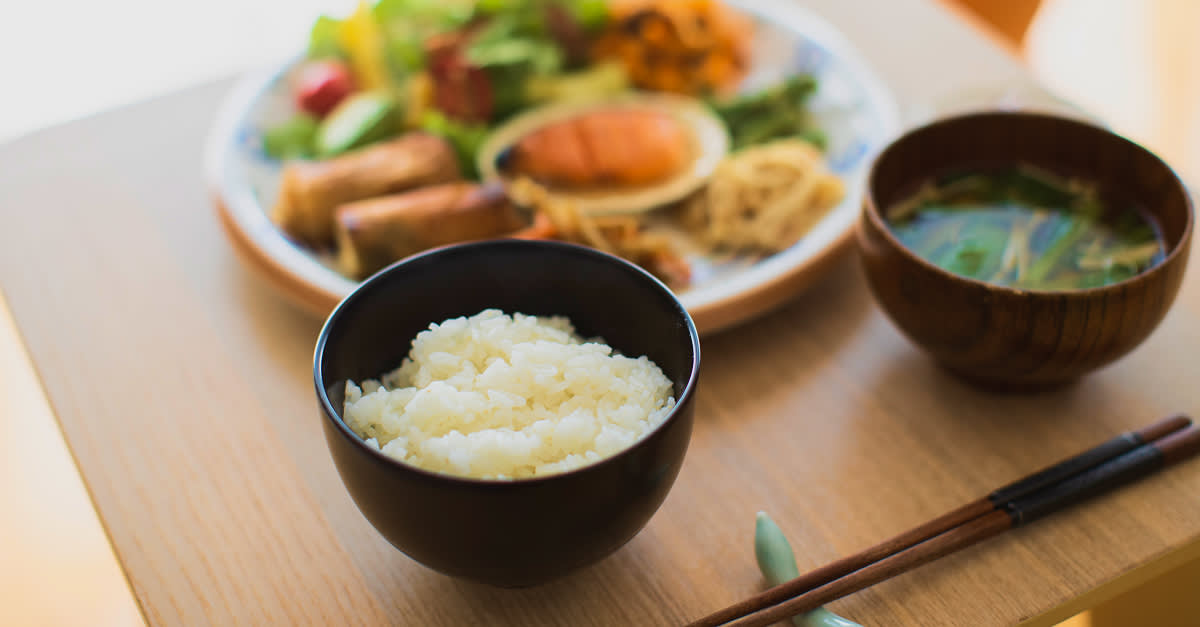
To no surprise, dining customs also differ from those in the United States. Meals are often composed of several small dishes rather than one central plate. Rice and miso soup anchor many traditional meals. Presentation is meticulous. Even the humblest lunch is thoughtfully arranged.
And then there is the element of ceremony. Participating in an event like a traditional tea ritual, guided by a trained host, reveals how deeply hospitality and mindfulness are woven into Japanese dining culture. Every movement has meaning and every sip or bite invites connection.
And not to worry, for those concerned with respecting Japan’s many traditions — culinary and otherwise — we have you covered.
The Michelin Capital of the World
When it comes to fine dining, Japan stands apart. Tokyo is home to more Michelin-starred restaurants than any other city in the world, with well over 160 starred establishments…including 12 with three stars.
Legendary restaurants such as Sukiyabashi Jiro elevate sushi to an art form, while contemporary favorites like Den reinterpret Japanese flavors with playful creativity. However, what sets Japan apart is not only the number of stars but the breadth of styles recognized, from hyper-traditional kaiseki to boundary-pushing modern cuisine.
Notably, for vegan and vegetarian travelers, Japan’s food culture extends beyond seafood and meat. Buddhist temple cuisine, known as shōjin ryōri, offers refined plant-based dining rooted in centuries of monastic practice. Today, innovative chefs across Tokyo and Kyoto are expanding meat-free offerings without compromising authenticity or flavor.
A Leader in Sustainable Gastronomy
Long before sustainability became a global trend, Japanese cuisine centered on minimizing waste and honoring ingredients.
The concept of mottainai expresses regret over waste and encourages full use of every ingredient. Chefs design menus around what is locally abundant and at peak freshness. Fish markets operate with precision and respect for the catch. Farmers cultivate vegetables unique to their regions.
In cities and rural villages alike, hyper-seasonal menus reduce the need for long-distance imports. Even the structure of traditional meals — smaller portions, multiple dishes — reflects balance and moderation.
For travelers seeking meaningful, responsible dining, Japan offers an approach to gastronomy rooted in harmony with nature.
Regional Specialties Worth Traveling For
Japan’s culinary story shifts dramatically from region to region, and a custom food tour reveals the country’s remarkable diversity.
- In Hiroshima, layered okonomiyaki (savory pancakes stacked with cabbage, noodles, and pork) reflect the city’s resilient spirit and distinct identity.
- In the mountain town of Takayama, richly marbled Hida beef rivals Kobe in flavor and tenderness.
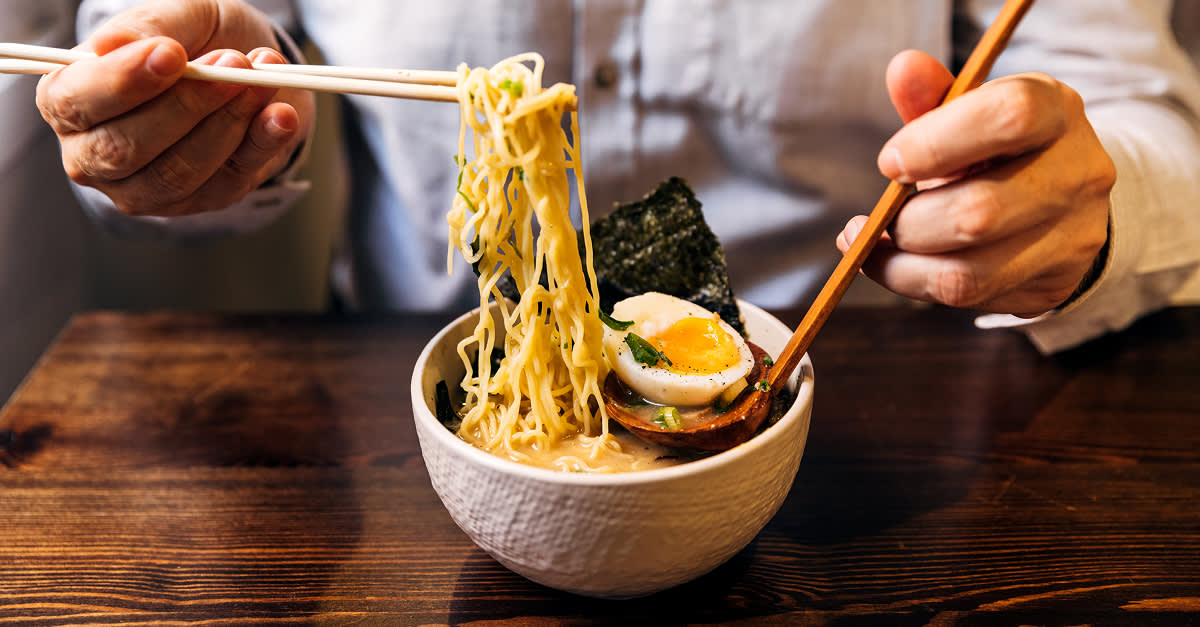
- Down south in Fukuoka, Hakata-style tonkotsu ramen delivers silky, pork-bone broth that draws devoted fans from across the country.
- In rural Gifu, grilled gohei mochi brushed with sweet miso sauce connects travelers to centuries of agricultural tradition.
These are not dishes easily replicated abroad, even by native cooks. They are intrinsically tied to the ingredients of their regions, and to enjoy them in Japan is a special treat.
Iconic Classics You Must Try
Then there are the dishes that have become famous the world over. Sampling popular food in Japan, prepared in truly authentic styles, can be the highlight of any trip…and not just for the food itself.
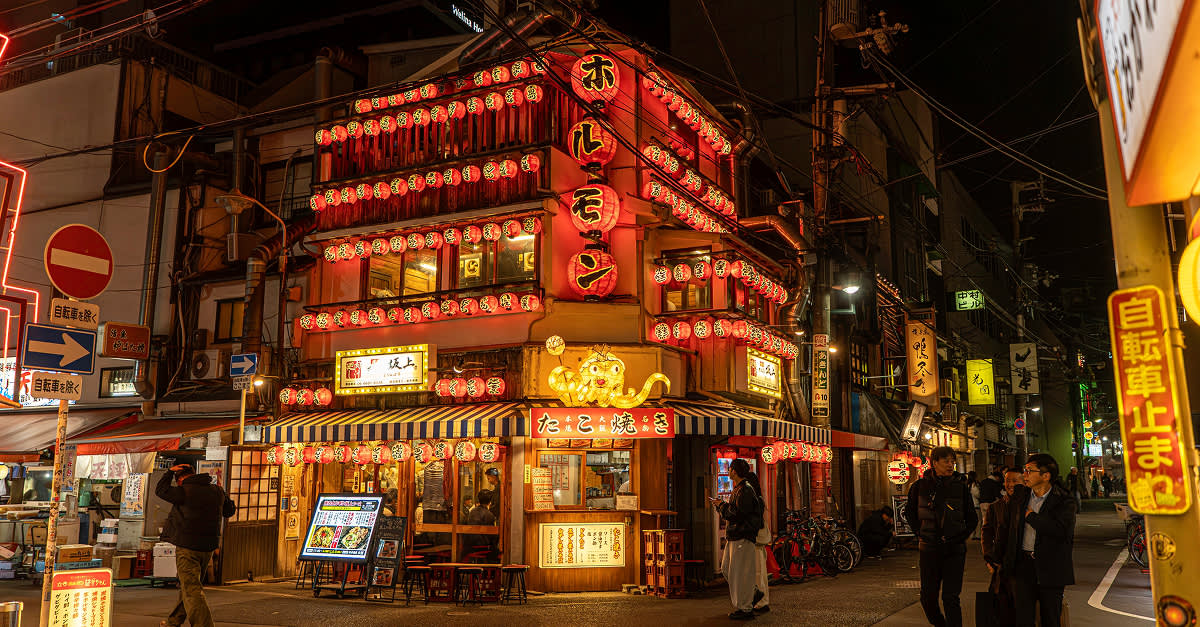
Imagine slurping ramen in a bustling Tokyo alley. Sitting at a sushi counter for an omakase meal shaped for you entirely by the chef’s choices. Watching tempura flash-fried to airy perfection. Savoring silky matcha in a quiet Kyoto teahouse.
These classics endure for a reason. They capture the essence of Japan’s culinary philosophy with simplicity that is elevated by precision and care into something unforgettable.
Discover Japan, One Bite at a Time
Japan offers visitors far more than just cherry blossom season or eye-popping fashion. Its true magic lies in everyday rituals, in regional pride, and in chefs who honor the past while shaping the future.
At Enchanting Travels, we design journeys that bring you to the right counter at the right moment. That can mean a Michelin-starred tasting menu in Tokyo, a market tour with a local expert, a hidden neighborhood ramen shop known only to residents, or something else entirely. Whatever your taste, bring an appetite. We’ll take care of the rest.