New York has a reputation for intensity, but that word barely scratches the surface. Yes, everything moves quickly, but more than that, everything feels purposeful. You’re constantly surrounded by people who care deeply about what they do and hold strong opinions, which, in turn, pushes you to raise your own bar.
In the design industry, especially in New York, so many talented people converge. You’re exposed to great work almost accidentally, whether that’s in studios, at talks, in museums, or through conversations that start casually and turn into something far more insightful. The proximity to excellence makes the work feel very real because you’re not chasing an abstract idea of success; you’re seeing it, hearing it, and responding to it in real time.
Diversity adds another layer of uniqueness, because New York isn’t just global in theory. It’s global in your everyday interactions with designers, clients, and collaborators from around the world, bringing diverse cultural references, working styles, and visual languages. You’re constantly feeding off that variety and learning how something lands from a perspective beyond your own.

Precision over pace
One of the biggest misconceptions about design in New York is that speed comes at the cost of thoughtfulness. In reality, the pace often forces the opposite. When timelines are compressed, you’re pushed to make clearer decisions sooner, as there’s less room for overthinking or safe ideas that don’t quite say anything.
Working at Koto NYC has fundamentally changed how I make decisions as a designer. I’ve always been someone who filters my thoughts internally before sharing, making sure they’re clear and considered. Sometimes that instinct isn’t a bad thing, but New York, and Koto specifically, taught me that waiting too long can hold ideas back.
Here, sharing your perspective is encouraged at every level. Your thinking is valued, critique is open, and conversation is rooted in trust. You only get more confident in an environment like that because it teaches you that being decisive doesn’t mean being reckless and that clarity often comes through dialogue, not perfection.
When everyone is aligned and moving together, pressure can actually sharpen ideas rather than flatten them. Some of the strongest work I’ve been part of has emerged from intense moments and not because of stress itself, but because the team was focused, honest, and committed to the same goal.
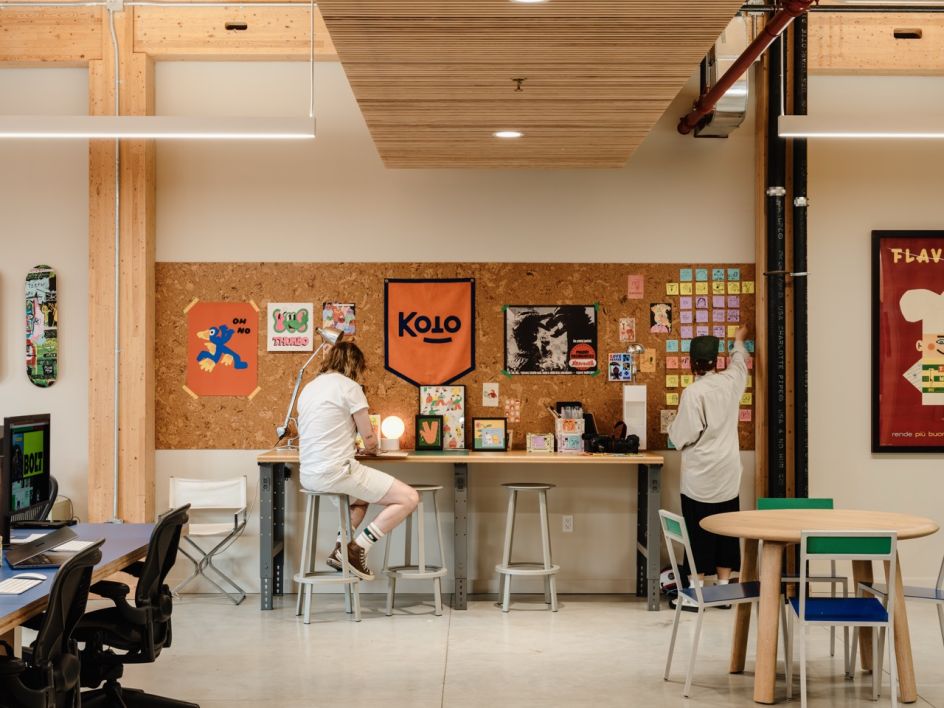
Craft under pressure
Of course, when things move quickly, the details matter more, and we’re always trying to go one step beyond what a client explicitly asks for. That’s still no excuse for excess, as every design choice needs a reason to exist. This is where strategy and rational thinking are crucial.
You need to take responsibility for building systems that genuinely work in the real world. On one project, for example, a client asked for a handful of example applications in Figma. Instead, we delivered a fully built-out template system they could immediately use. Those moments of initiative are what clients in New York notice most.
Motion and micro-interactions play a big role in that thinking. Motion helps guide attention, express hierarchy, and connect strategy to visual language. In saturated markets, it’s often the cohesion between system logic, detail, and movement that makes a brand feel intentional rather than loud. Craft, in that sense, becomes a form of restraint, and knowing what to include, what to simplify, and what truly serves the story is a skill in itself.
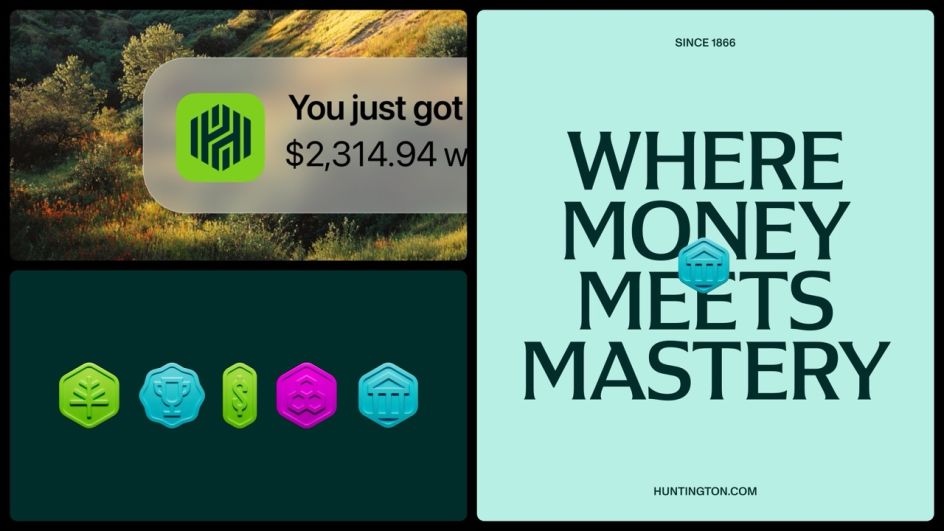

Designing for a global audience from one city
Although New York is a very specific place, the work rarely exists for a single market. Many clients come to us looking for systems that can scale globally and identities that adapt across cultures without losing clarity or intent. Designing in New York means designing outwardly, constantly considering how work translates beyond a single context.
Koto’s global studio model plays a huge role in this. While each studio has its own sensibility and strengths, collaboration across regions is part of the everyday workflow. Ideas are pressure-tested early, informed by different cultural perspectives, and refined collectively. Ultimately, it makes the work more resilient because it’s been challenged from multiple angles.
US clients, particularly in New York, tend to expect confidence and a strong point of view. They value speed, but not at the expense of thinking. You’re expected to articulate why an idea works, how it scales, and what problem it’s truly solving, which pushes us to be both decisive and deeply considered.

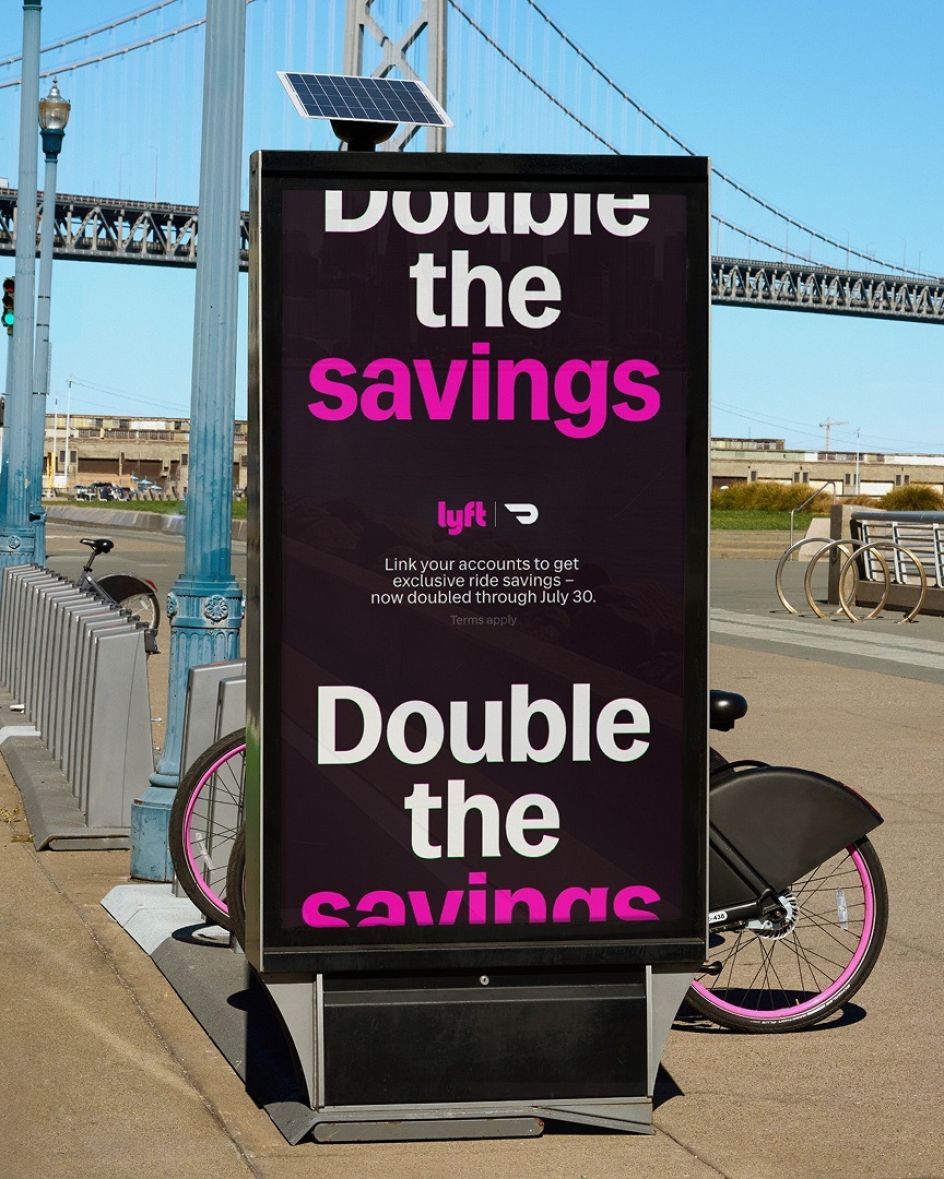
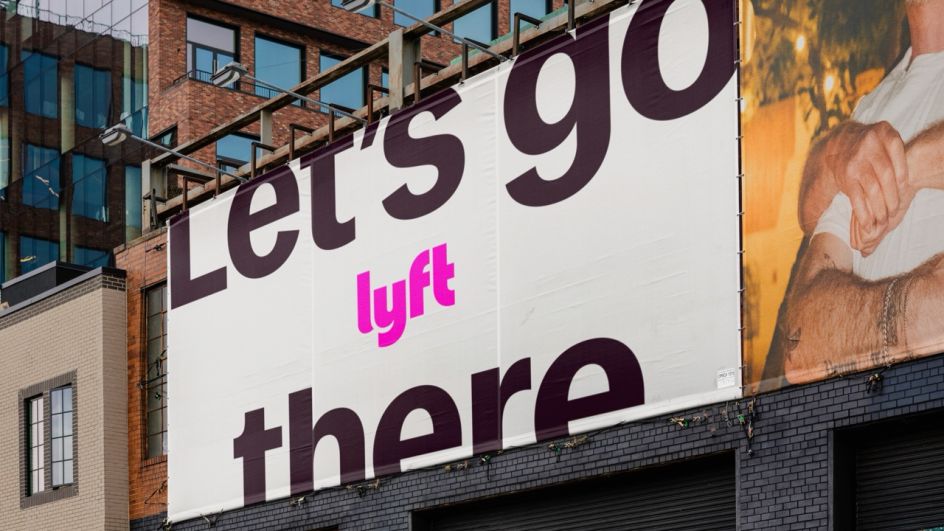
What the city gives back
Living and working in New York has changed me emotionally as much as professionally. Being surrounded by so many different perspectives teaches you to listen more closely and stay open. It shapes how you collaborate, how you approach conflict, and how you design for people who don’t share your background or assumptions.
The city also teaches you to take responsibility for your own growth. Opportunities don’t arrive neatly packaged, so you have to learn to speak up, ask questions, and actively look for what’s next. Over time, that builds confidence and a sense of agency. You start to trust your voice more, not because it’s the loudest in the room, but because it’s grounded in experience and curiosity.
New York rewards people who are willing to take one extra step, whether that’s refining an idea a little further, staying for one more talk, or just pushing slightly beyond what’s expected. Those small efforts compound, shaping not just your work, but your resilience and judgement as a designer.
Honestly, New York isn’t for everyone, and that’s okay. It’s demanding, fast, and sometimes exhausting, but it’s also deeply gratifying. If you’re willing to stay open, keep learning, and challenge yourself without losing who you are, the city gives back in meaningful ways. Growing your portfolio is probably the easiest thing to do, but growing your voice, your confidence, and your understanding of what design is worth so much more.