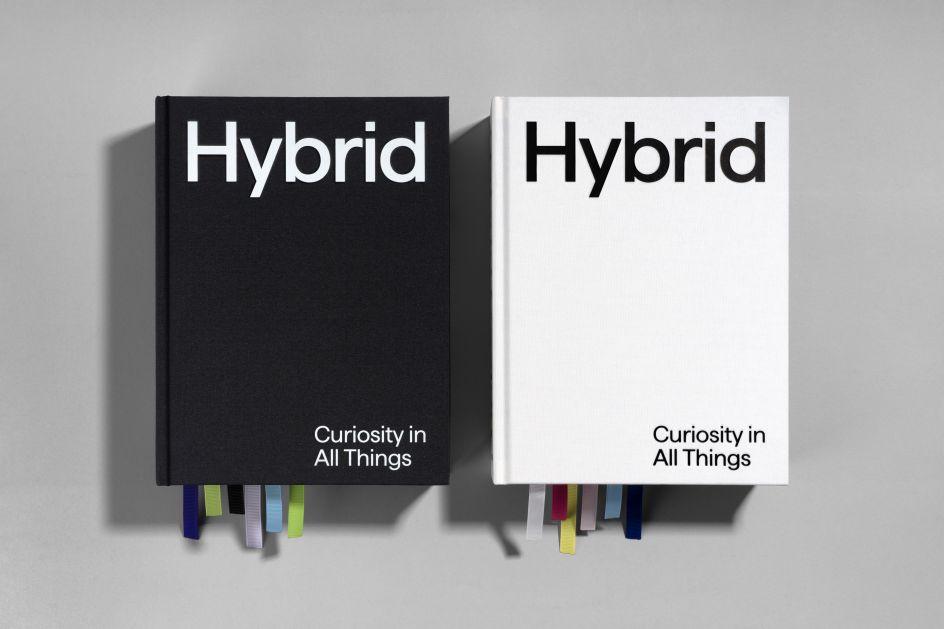

After spending nearly 25 years shaping some of the most recognisable brands and cultural work of the past two decades, San Francisco–based Hybrid Design has finally put its thinking on paper (650 pages, to be exact).
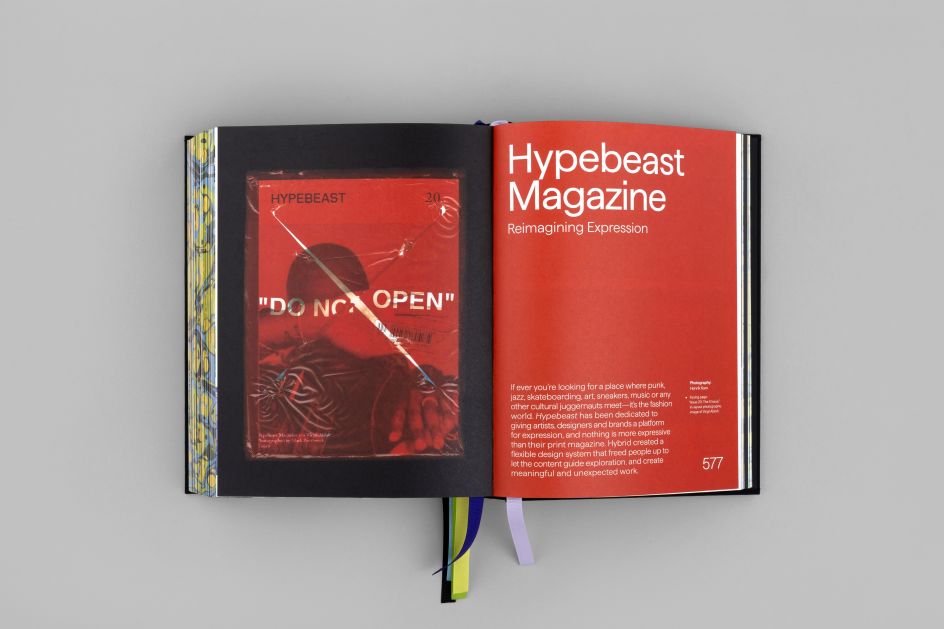
Hybrid: Curiosity in All Things is the studio’s first book and offers a behind-the-scenes look at how curiosity, collecting, and cultural awareness have driven Hybrid’s work across branding, packaging, environments, publishing, and product design.
Rather than presenting itself as a greatest-hits portfolio, the book aims to be more reflective, blending project case studies with essays that unpack how the studio thinks and where its instincts come from. It also demonstrates why culture is never just a reference point, but the context that gives design meaning.

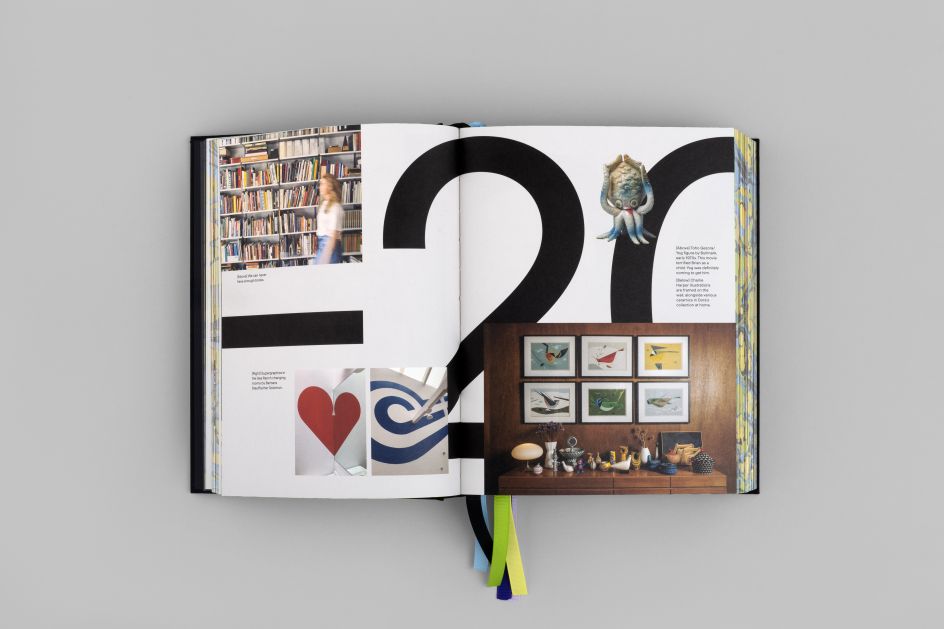
Founded by Dora Drimalas, Hybrid has built a reputation for deeply crafted, conceptually rich work for clients including Nike, Sonos, Pinterest, The North Face, YouTube, and Hypebeast. Reflecting on the release of the book, Dora says, “Every obsession, every collection, and every side quest we’ve ever taken has led to the release of this book.
‘We’re thrilled to share 20+ years of nerdy inspiration and craft-filled design that has fueled the studio from the start.”
Looking back across nearly 25 years of work, Dora describes collecting as the defining thread behind Hybrid’s evolution. “It started before we even knew we were designers – tracing skateboard graphics, replicating band logos, sorting baseball cards, making zines and flyers,” she says. “What seemed like hobbies were actually our design education, building a visual vocabulary that made our perspective unique.”
She adds that when the studio was founded, that collector’s mindset became a methodology in its own right. “The obsessive study of systems, the hunt for patterns across mediums, the compulsion to qualify and arrange inspiration like a museum curator – the studio became an extension of that.”
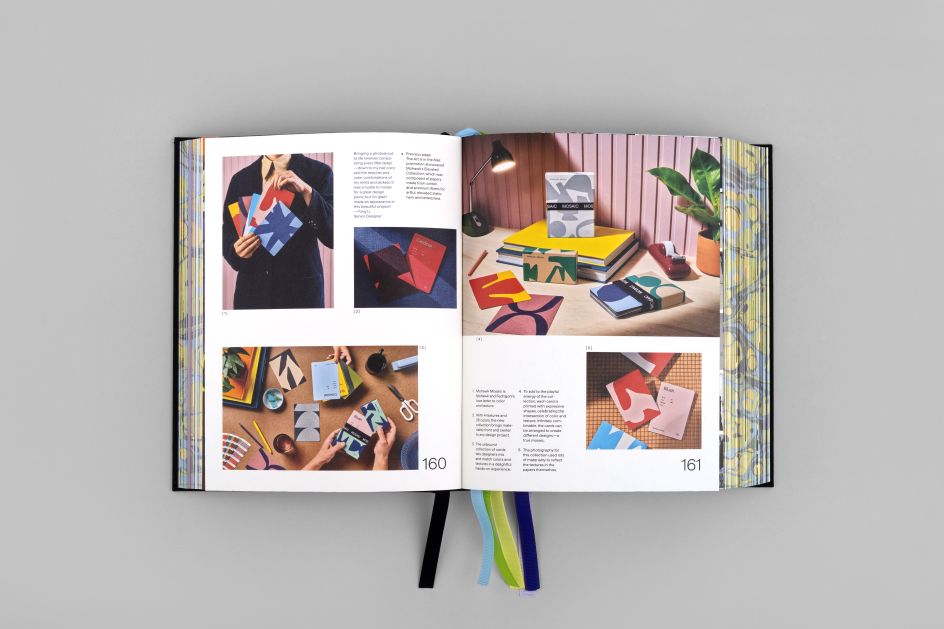
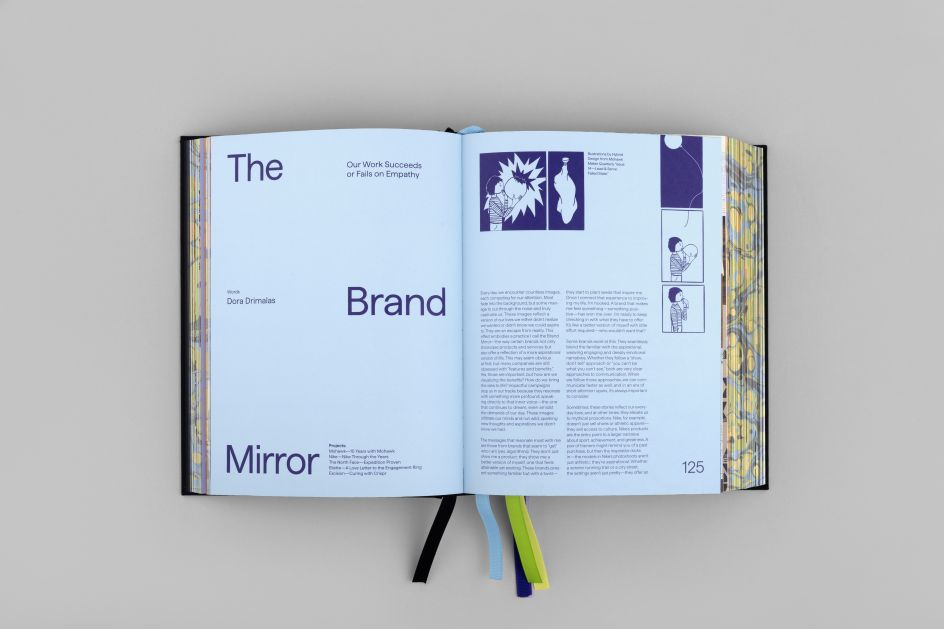

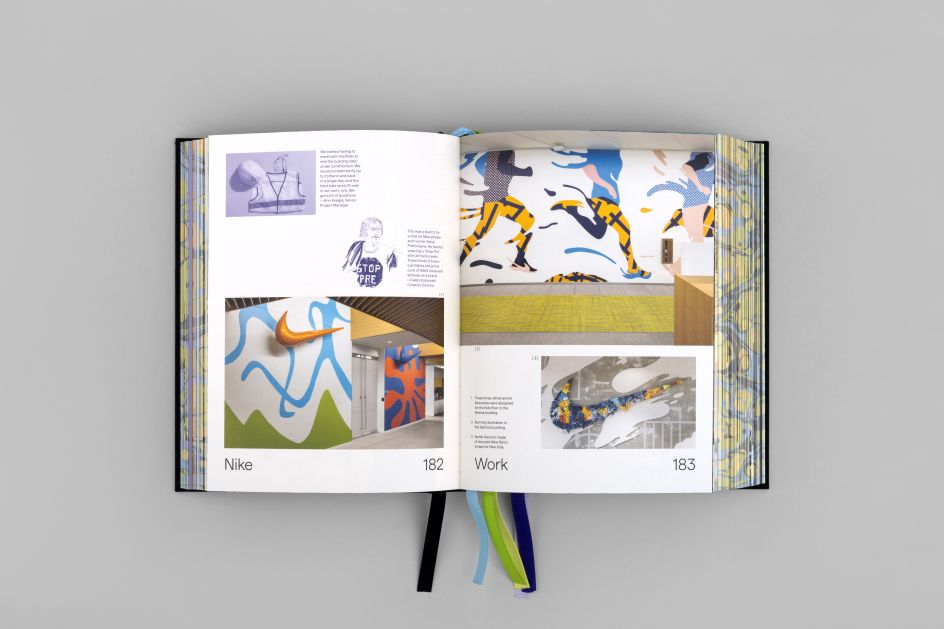
Having a collector’s mindset also helps explain Hybrid’s medium-agnostic approach. Whether working on brand identities, publications, packaging, or physical installations, the studio moves fluidly between formats, drawing on lessons embedded in objects, subcultures, and material histories.
Every project, Dora suggests, is underpinned by the belief that great design should make people feel something and that emotional resonance comes from deeply studied, authentic reference points.
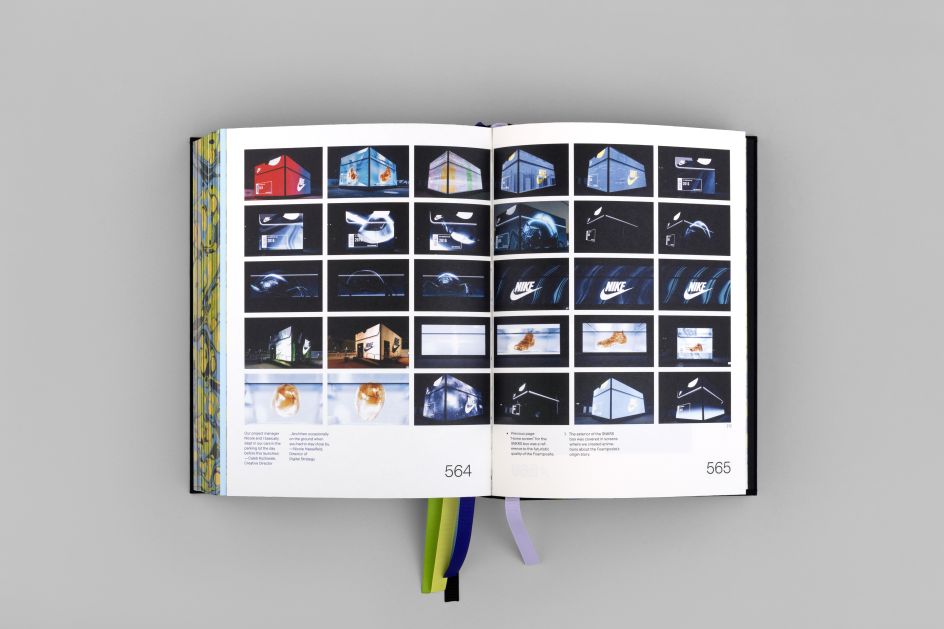
Culture, in this sense, is more infrastructure than decorating. One project in the book that crystallises this idea is Hybrid’s SNKRS box for Nike, created around the reissue of the iconic Foamposite sneaker. Originally launched in the 1990s, the Foamposite was technically and aesthetically radical for its time, using a new moulding process that gave the shoe an almost alien appearance. While its significance might not be immediately obvious to newer audiences, Hybrid’s intervention leaned into that layered history.
The SNKRS box reframed the Foamposite as a cultural artefact rather than just a product. Animations on the exterior referenced the beetle carapace that inspired the original technology, while the interior drew on 2001: A Space Odyssey, with moulded forms, reflective surfaces, and LED lighting creating a speculative, spaceship-like environment. The goal wasn’t factual reconstruction, but cultural storytelling, using shared visual language to help new audiences understand why the shoe mattered in the first place.
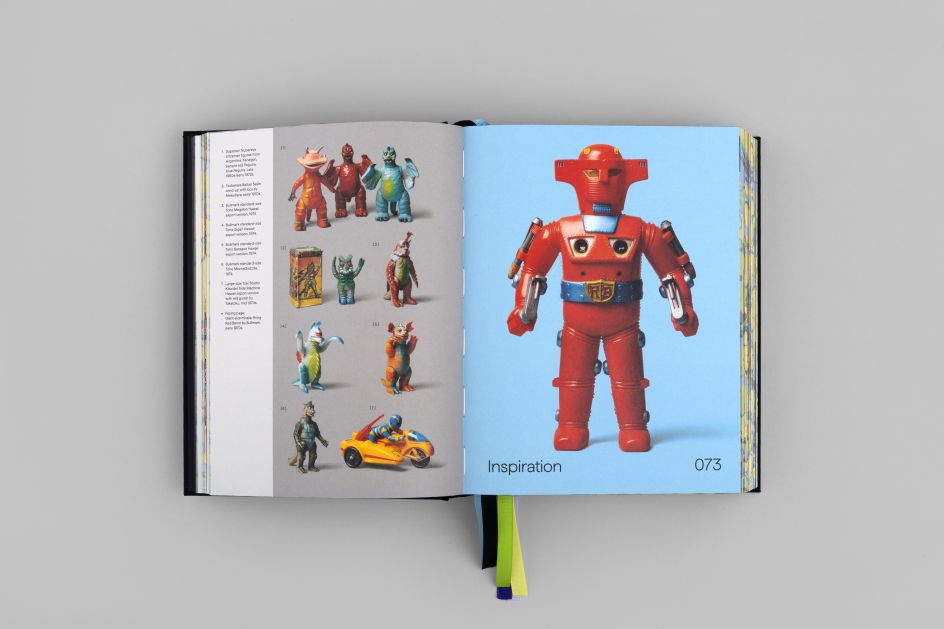
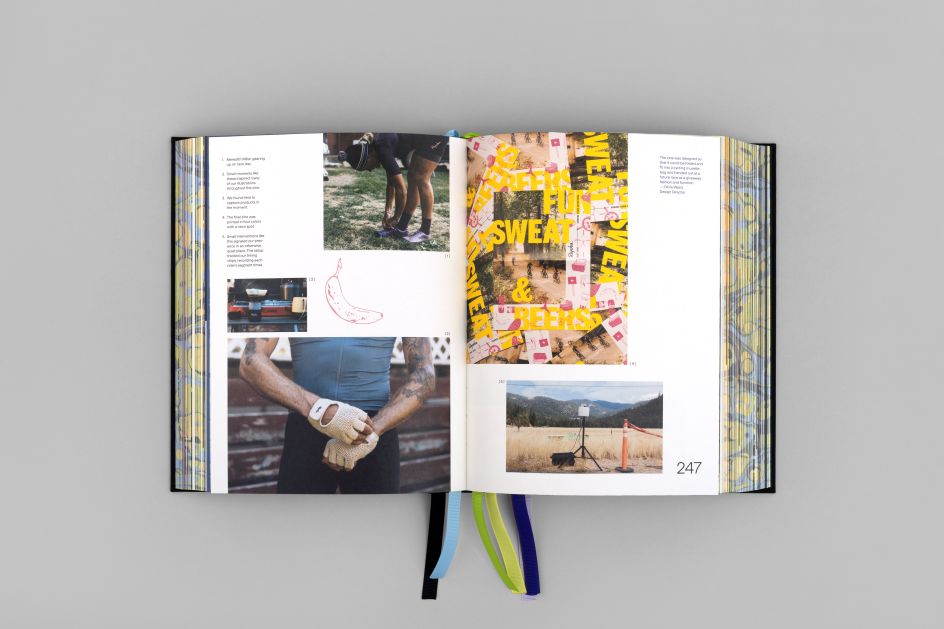
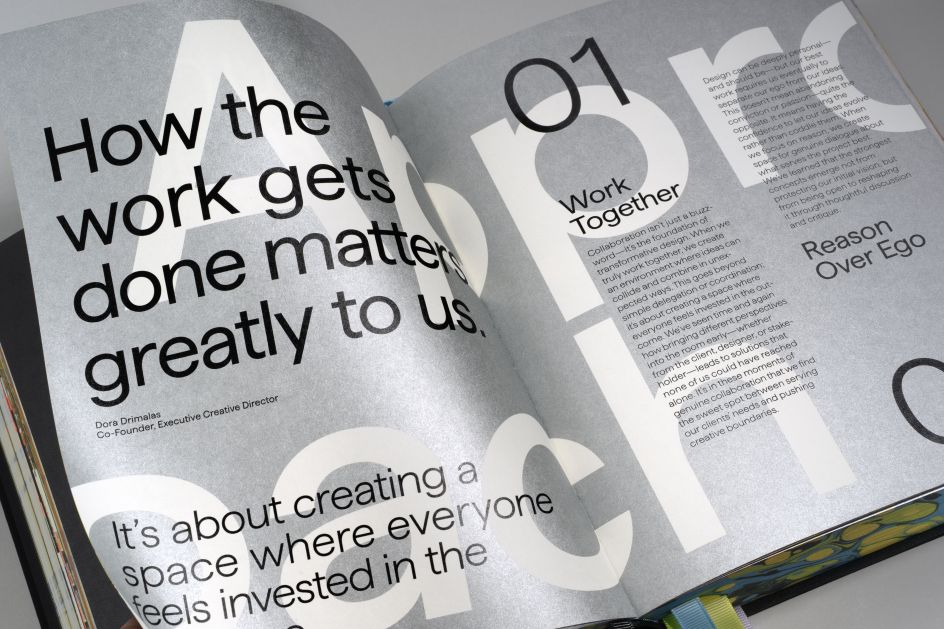
Throughout the book, projects like this are contextualised through essays that delve into Hybrid’s internal processes. The studio was acutely aware, Dora says, that a printed portfolio alone wouldn’t justify the book’s existence. These days, studio work can be consumed in minutes online, but Curiosity in All Things aims to slow things down and offer a context that scrolling just can’t match.
Much of that context revolves around taste as a conceptual framework. Hybrid’s essays explore how instinctive decisions are shaped by accumulated experience, and why understanding the ideas behind those instincts is crucial.
The message to designers is that your way of thinking matters and – even when faced with the same brief – it’s the conceptual lens you bring that makes the work different, and that difference is worth protecting.
Curiosity, as Dora is quick to point out, isn’t always comfortable. “Feeling compelled to make choices you wouldn’t have made before is uncomfortable, but it’s also thrilling,” she says. “The beauty is when you get deep enough into something that it changes your thinking. This is how design makes a designer’s world bigger.”
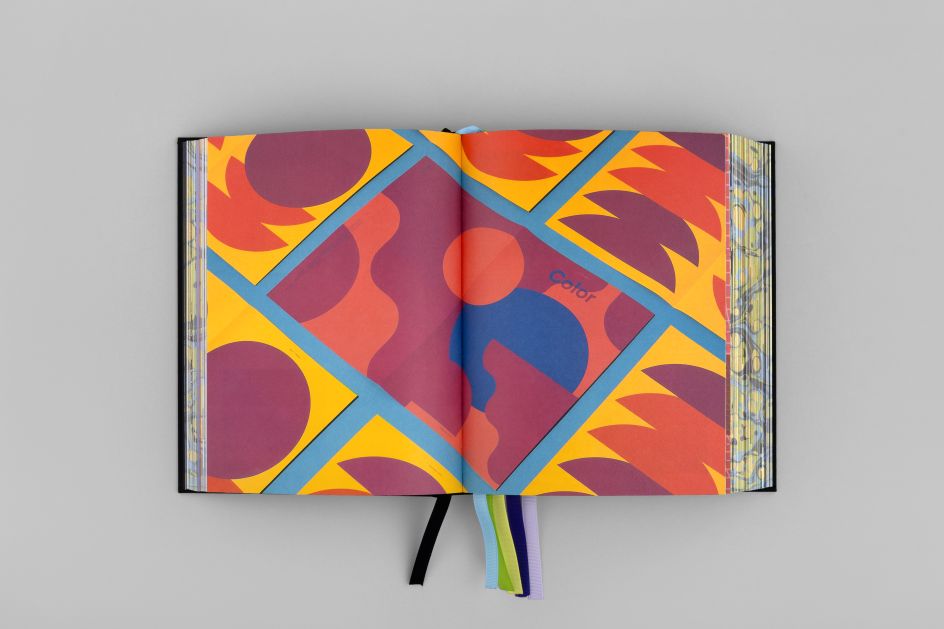
One standout example is a project for Mohawk Maker Quarterly, in which the studio explored variable-data printing at scale. Working with illustrator Merijn Hos, Hybrid developed a system capable of generating 20,000 unique illustrations, each different and largely unseen by the designers themselves. Letting go of control, especially over the final output, proved challenging for a studio obsessed with detail. Yet the process forced a new way of thinking about authorship, parameters, and trust – lessons that ripple beyond print into broader questions about design systems and emergence.
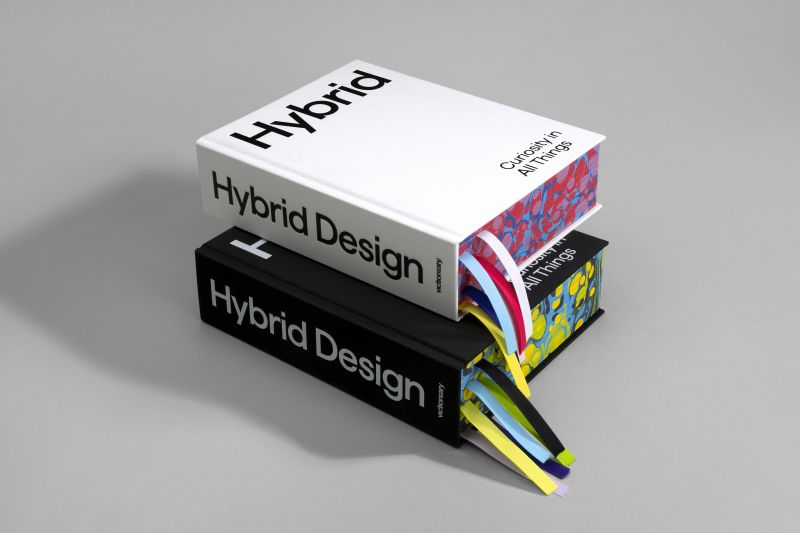
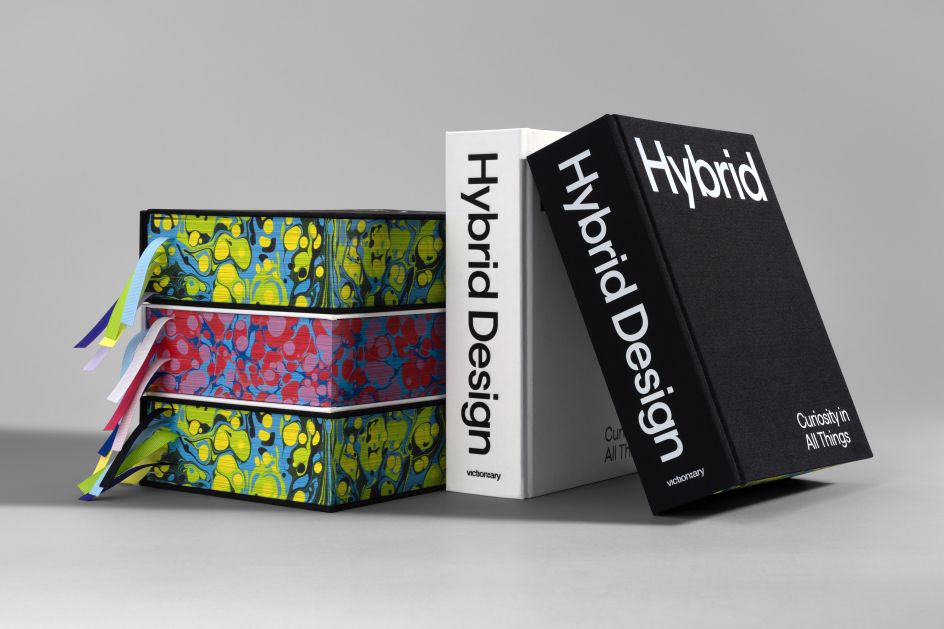
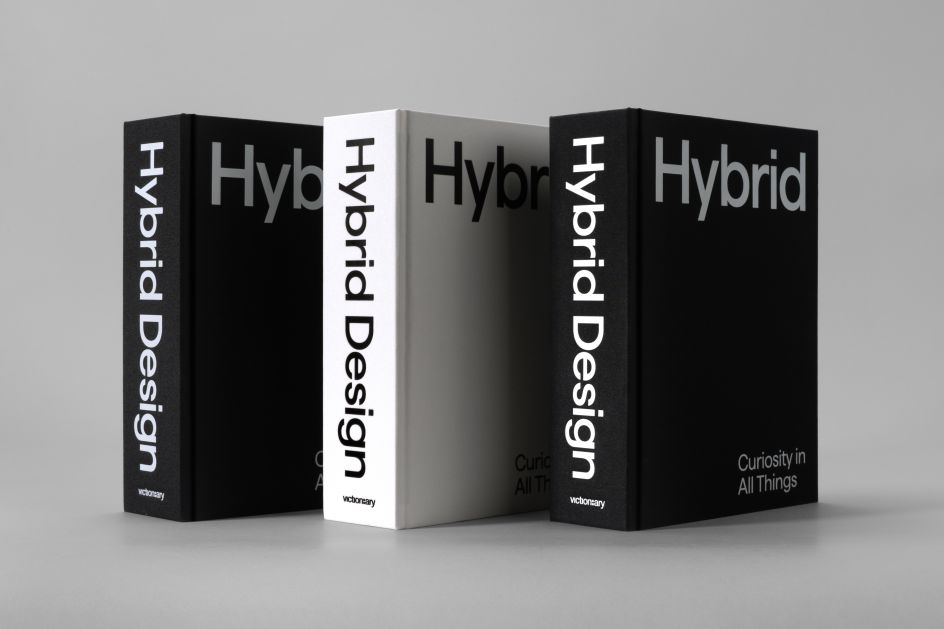
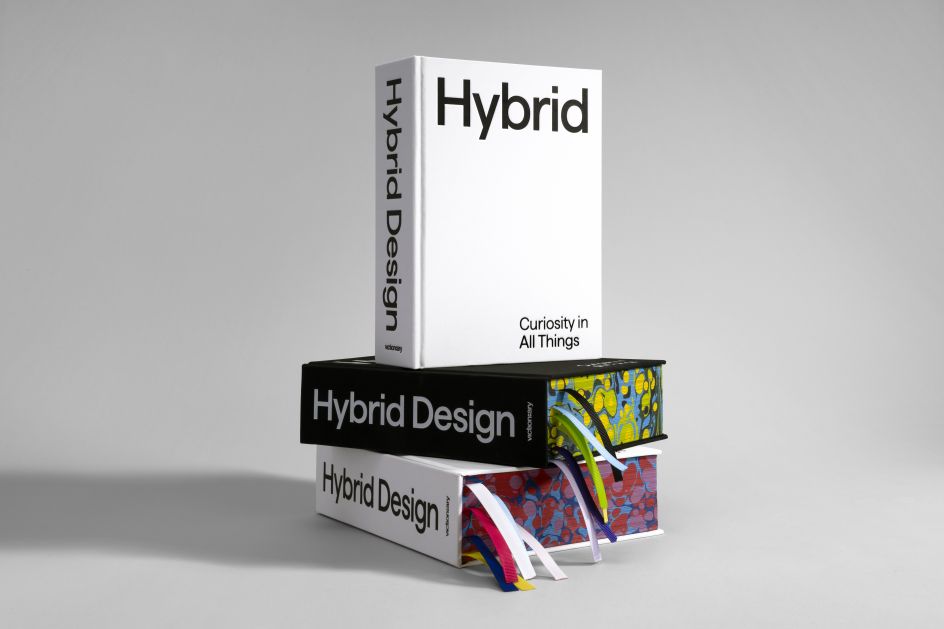
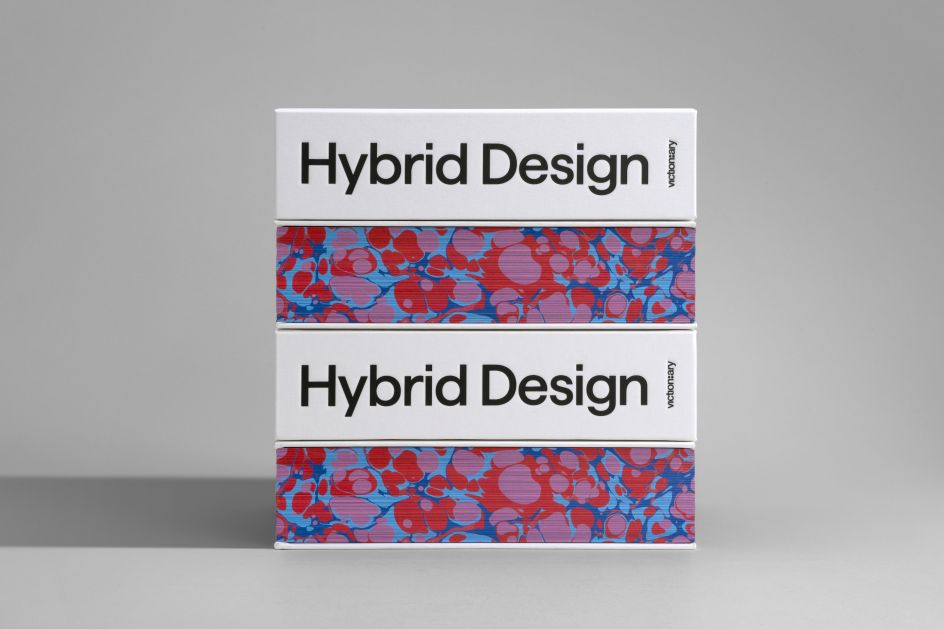
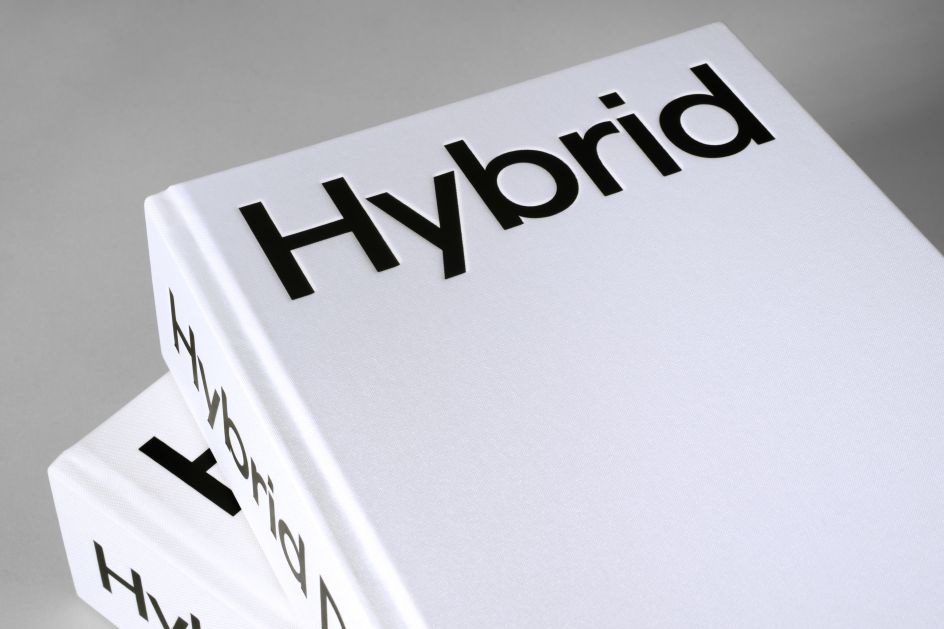
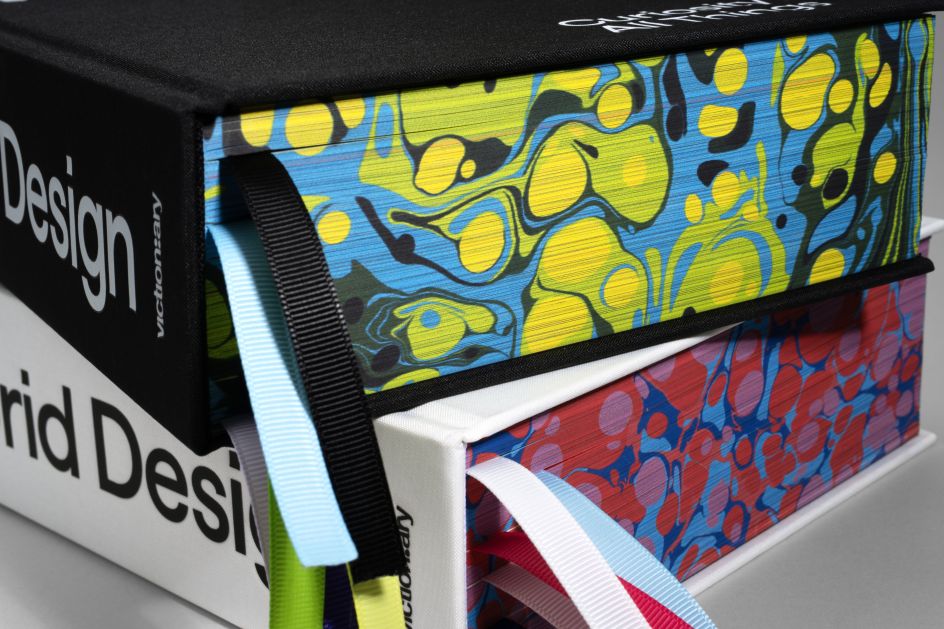
This obsession with craft extends to the physical object of the book itself. Available in two colourways, with marbled text blocks randomly assigned at the time of order, the book treats print as a tactile experience rather than a neutral container. Drawing on Hybrid’s experience in sneaker culture, vinyl toys, and paper-making, every decision – from weight and scale to how the book sits on a table – has been carefully considered.
In the end, Hybrid: Curiosity in All Things feels a bit like an invitation to pay closer attention, to follow side quests, and to trust that curiosity, when taken seriously, can be a powerful design tool in its own right. Dora reiterates: “Staying endlessly curious is not only beneficial to the designer – it translates to the end user and pushes design and creativity forward.”