

For two decades or more, magazines and newspapers have been in decline, putting editorial illustrators under pressure. Yet it remains one of the most desirable areas of commercial art to work in, attracting the finest talent.
Jake Hawkins is a case in point – a rising star in UK illustration whose work always feels sleek, modern and clever. We featured him briefly here on Creative Boom in 2021, and his career has gone from strength to strength. In 2025, he won two awards in the American Illustrator issue 44.
“I’m particularly drawn to briefs that allow for a conceptual response, as it makes the work more engaging and gives room to explore ideas through metaphor rather than literal depiction,” says Jake. “I often connect with the issues I’m illustrating, and it’s rewarding when a piece can help make complex or topical subjects feel more accessible, especially when it allows space for diverse perspectives and voices. Helping those voices be seen and understood is what I find most rewarding.”
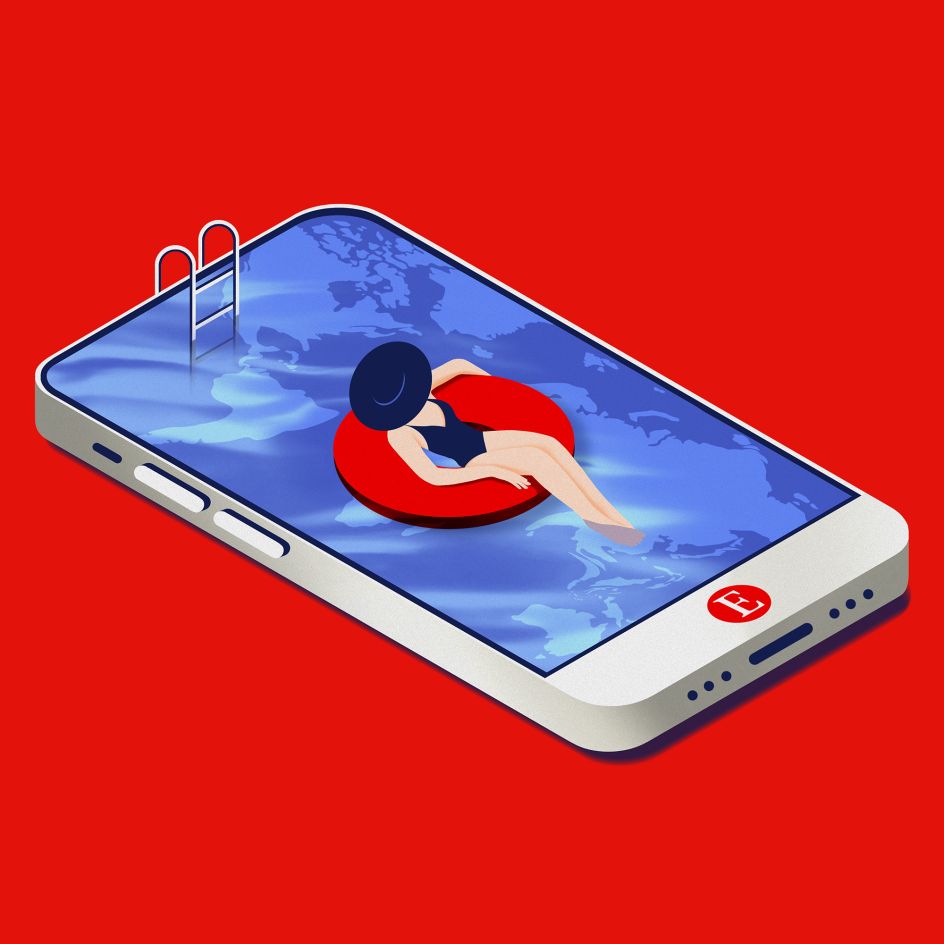

A suite of marketing images for The Economist.
Originally from Somerset, Jake studied Illustration at Falmouth before making the big move up to London, where he joined The Daily Telegraph’s visual storytelling team. He really has cut his teeth in an editorial environment, with roles at The Economist and in various LGBTQ+ publications. Each stop has added a new facet to his skillset.
He continues: “Working in a daily print environment taught me the importance of speed and clear decision-making under tight deadlines. My time in LGBTQ+ media reinforced the value of amplifying diverse voices, while my work at The Economist has sharpened my focus on clarity and the impact an image needs to have across marketing, events and editorial.”
As a senior designer at The Economist, he creates editorial and promotional imagery for the publication, including animation, while freelancing for a variety of other newspapers and magazines. He’s added clients such as The Guardian, The Washington Post, and Gay Times to his list over the years.
One of his favourite pieces is a cover for the latter – created during COVID, when everything felt very uncertain. Opportunities to work on projects focused on LGBTQ+ issues are particularly meaningful to Jake, as they counter negative rhetoric with inclusive imagery that gives the community representation and visibility.
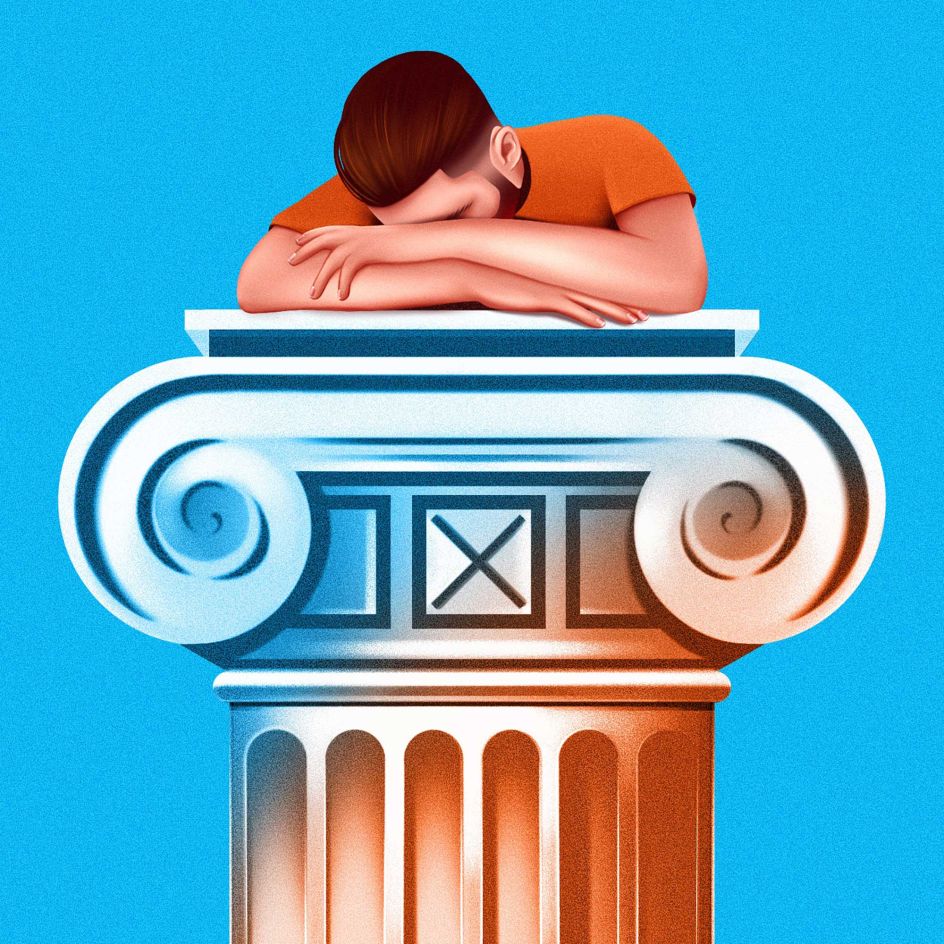
Democratic Fatigue Syndrome for The Big Issue.
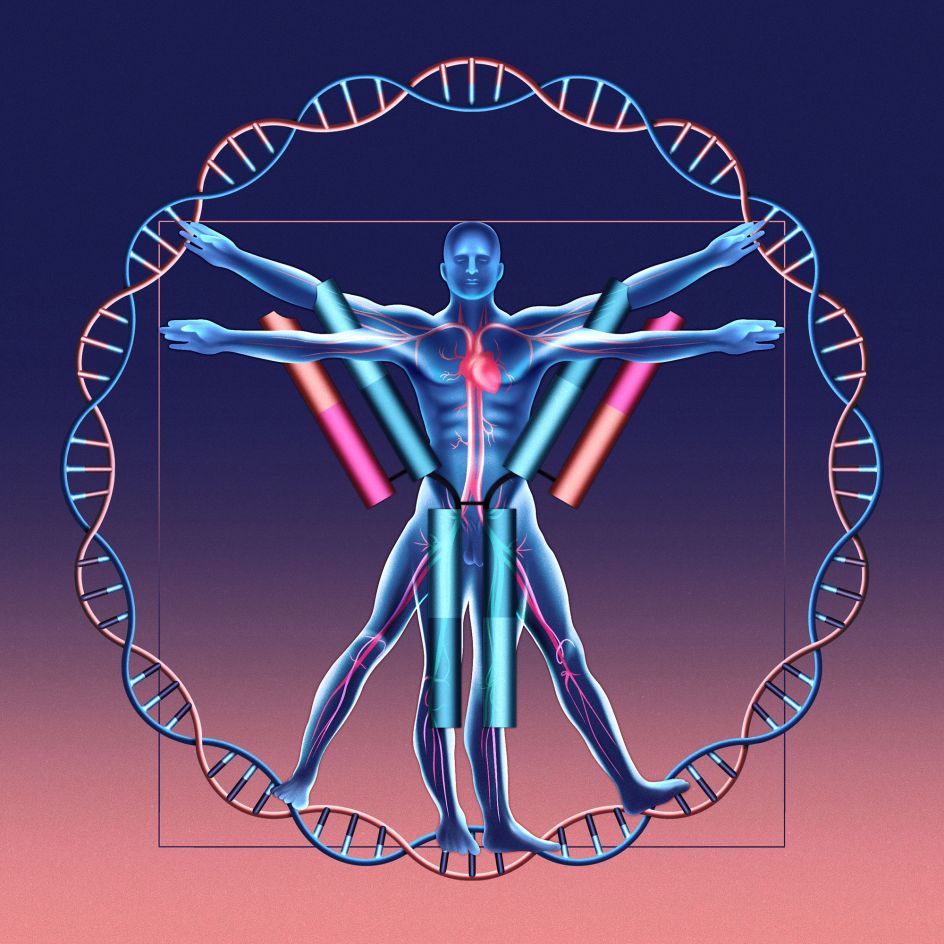
Submission for The Lancet Rheumatology cover.
However, every new brief is a chance to solve a problem, and that will always appeal to him. “Recently, I worked on a cover artwork submission for The Lancet, which was challenging from a conceptual standpoint,” he explains. “Translating complex scientific language into a clear visual was the key challenge. I resolved it by simplifying the brief’s core message and identifying imagery that could communicate that idea, reimagining the Vitruvian Man as a recognisable framework to bring together art, anatomy, and molecular science.
Meanwhile, in his personal work, Jake often explores queer themes and the human form. He takes it slower and looks for different kinds of inspiration – such as the vintage physique photography that influenced his Callipygian Figure artwork.

For a piece about trans healthcare in The Washington Post.
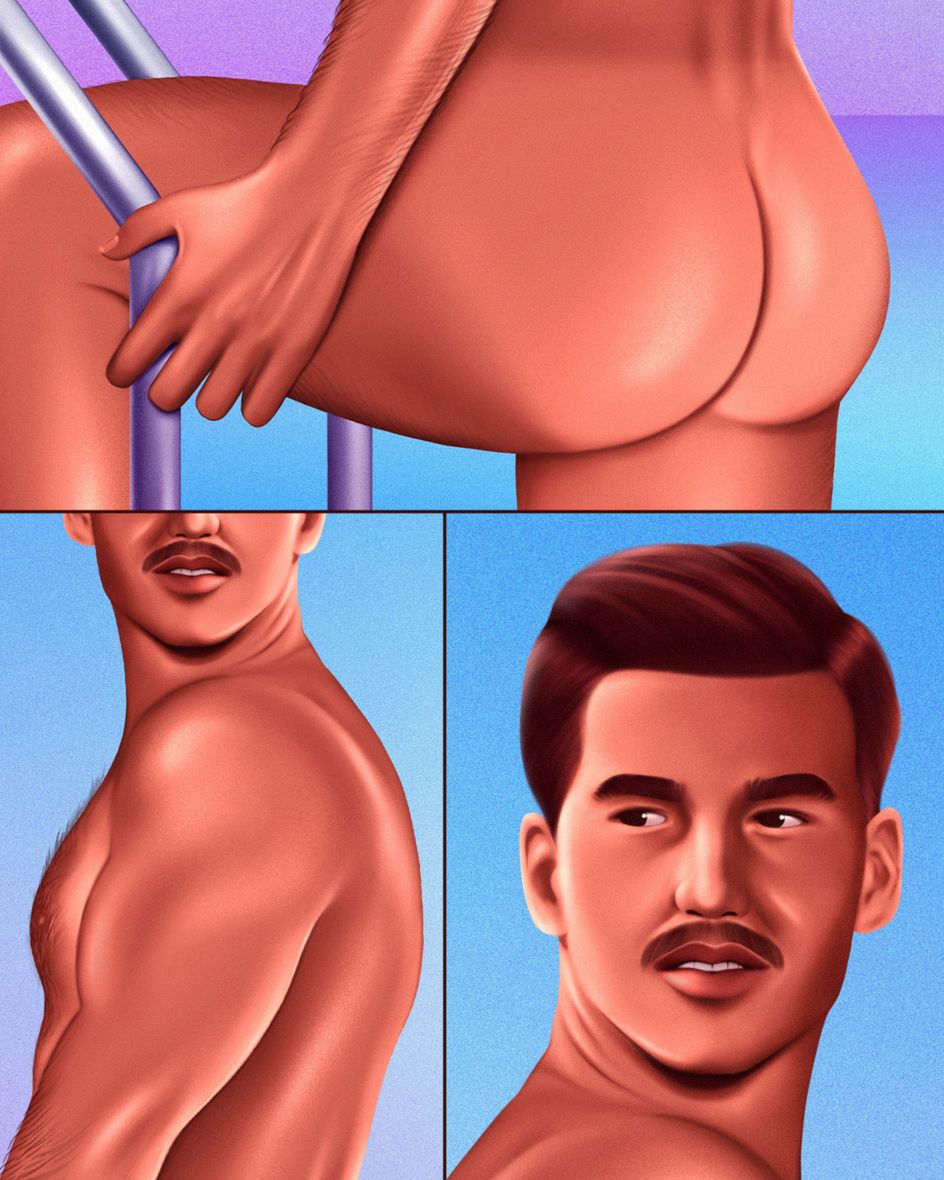
Callipygian Figure.
To create his imagery, Jake uses Procreate on an iPad Pro. He enjoys drawing directly onto the surface with the stylus, keeping his hands engaged with the process even though the outcome has a digital feel. In addition, he uses Photoshop, Illustrator, InDesign and After Effects as required.
It’s the intelligent ideas as much as the colourful, impactful forms and stylish finish that make Jake’s work stand out. And the pace in editorial is as fast as ever, so finding the right observation and metaphor fast is often a crucial part of the commission. But when it’s not flowing, Jake’s advice is always to step back.
“If you’re not in the right headspace, it’s easy to overwork a piece or push it in a direction you might not have taken if you’d given yourself space and come back to it later. Fresh air, fresh eyes. We all have days where the work flows more easily than others,” he says.
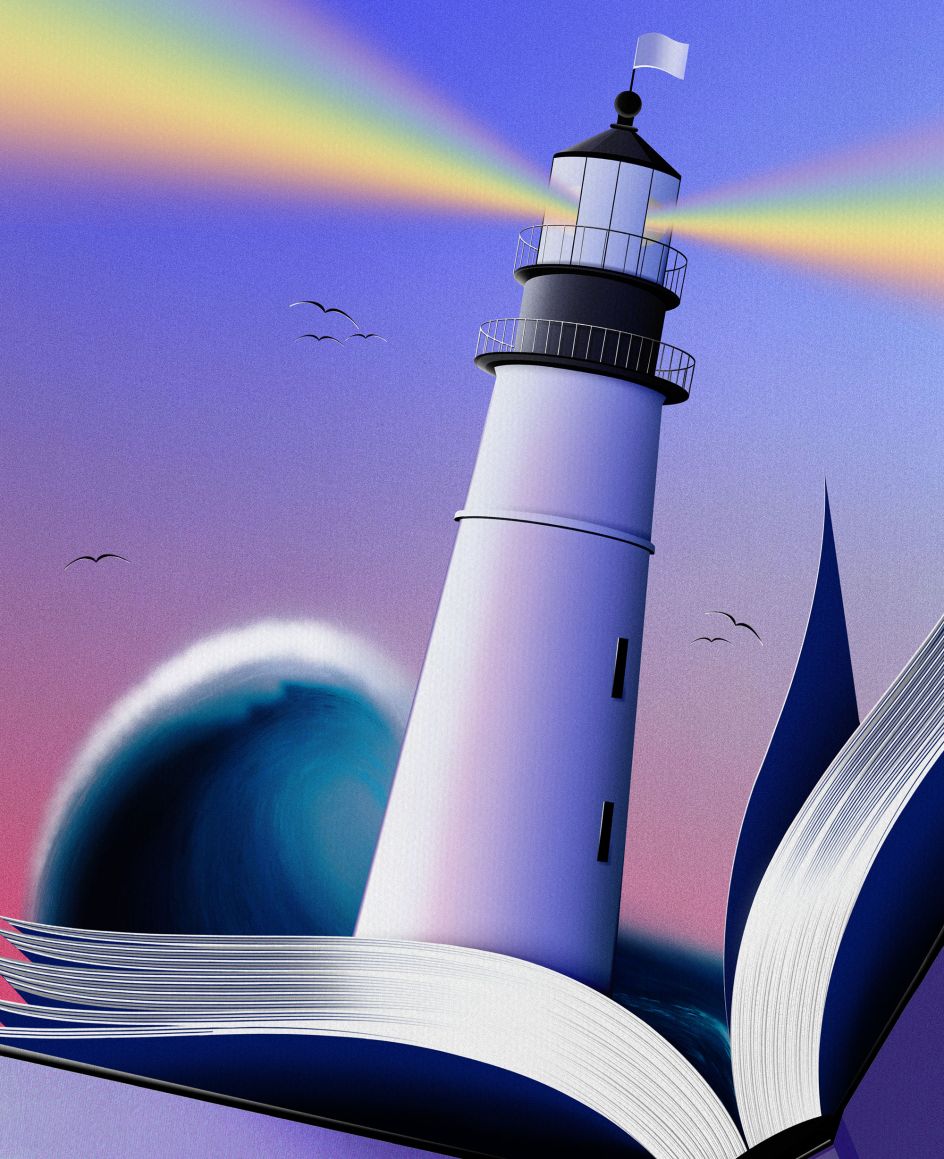
Personal work – The Story of a Better Tomorrow.


